This translation was prepared with AI assistance and reviewed by the editorial team.
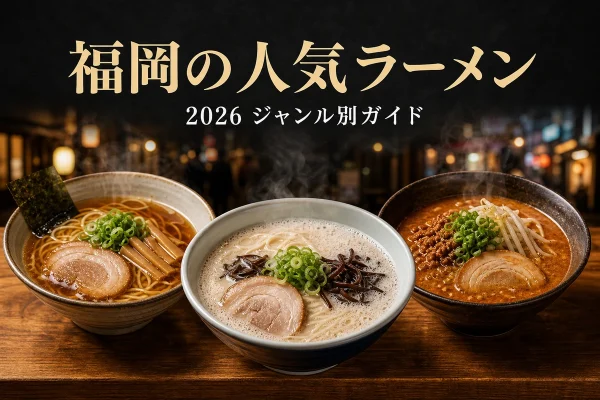
Fukuoka is famous for tonkotsu ramen, but the local scene is broader than one milky pork-bone soup. You can also find light soy-based bowls, miso ramen, tsukemen and late-night yatai noodles. This guide helps first-time visitors choose a style, an area and an ordering method without treating every shop as interchangeable.
Choose by ramen style
| Style | What to expect | Good for |
|---|---|---|
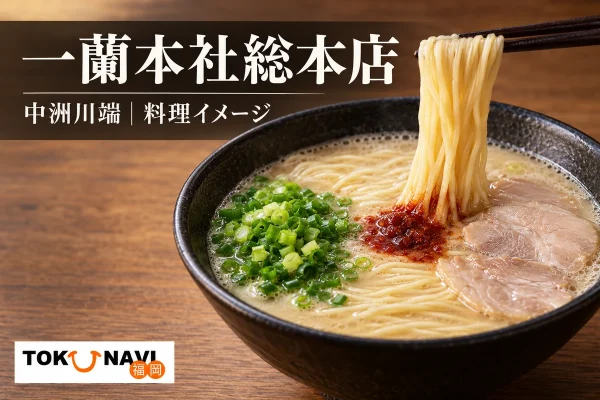
| Hakata tonkotsu | Thin straight noodles, pork-bone broth and optional kaedama refill | A classic first bowl |
| Kurume tonkotsu | Often fuller-bodied, linked to the older Chikugo ramen tradition | Travellers who want a richer regional style |
| Soy or salt | Clearer broth, sometimes built around chicken or seafood | A lighter meal |
| Miso | Rounded, savoury soup that may include vegetables or spicy toppings | Cold days and a substantial bowl |
| Tsukemen | Noodles and concentrated dipping soup served separately | People who prefer thicker noodles |
Where to eat in Fukuoka
Hakata Station is convenient when arriving by train or using the airport. Tenjin and Daimyo have a wide choice near shopping and nightlife. Nakasu is useful after dinner, while Nagahama has strong associations with market workers and fast, thin-noodle ramen. Famous shops can have long queues; a good nearby independent shop may be a better use of limited travel time.
How to order
Many ramen shops use a ticket machine near the entrance. Choose the basic ramen first, then add egg, extra pork or rice only if wanted. Some machines accept only cash or show limited English, so keep small yen notes ready. At Hakata-style shops you may be asked for noodle firmness: kata means firm and futsū means regular.
A kaedama is an extra serving of noodles, not a complete second bowl. Leave enough broth before ordering it. The refill may be paid at the table even when the first order came from a ticket machine.
Dietary and allergy cautions
Tonkotsu describes the broth, not a pork-free option. The soup, flavoured oil, sliced meat and seasoning may all contain pork. Eggs, wheat, soy, sesame, fish products and alcohol-based seasonings may also be used. Vegetarian, halal and allergy-safe requirements should be confirmed with the shop; removing a visible topping does not remove ingredients from the broth.
Ramen manners that make the visit easier
- Queue without blocking neighbouring entrances or the pavement.
- Each seated adult is generally expected to order one bowl.
- Eat soon after serving; thin noodles soften quickly.
- Slurping is acceptable but not required.
- At busy shops, move to a café rather than lingering after the meal.
Yatai or a regular ramen shop?
A yatai is valuable for its open-air atmosphere and conversation, not necessarily because it serves the city’s “best” ramen. Seats are few, weather matters and there may be a cover charge or one-order rule. For a predictable meal with luggage or children, choose a regular shop; for a late-night local experience, read the yatai menu and prices before sitting.