This translation was prepared with AI assistance and reviewed by the editorial team.
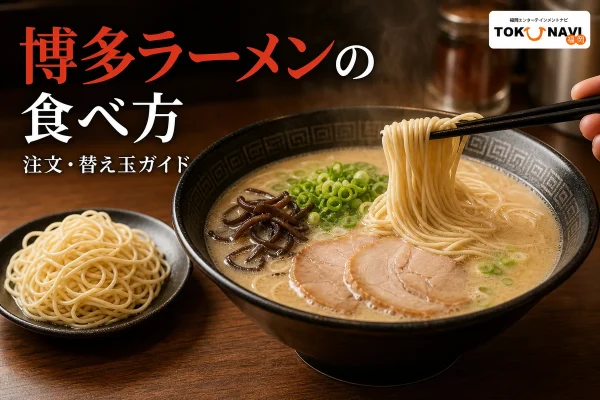
1) Buy a ticket or choose from the menu. 2) Select noodle firmness if offered. 3) Eat the first serving. 4) Keep some soup and order kaedama if you want more noodles. Always follow the options displayed by that shop.
Hakata and Nagahama-style tonkotsu shops often let diners choose the firmness of their thin noodles and add a noodle refill. The vocabulary and process are not identical everywhere, so this guide follows the actual sequence a visitor will encounter.
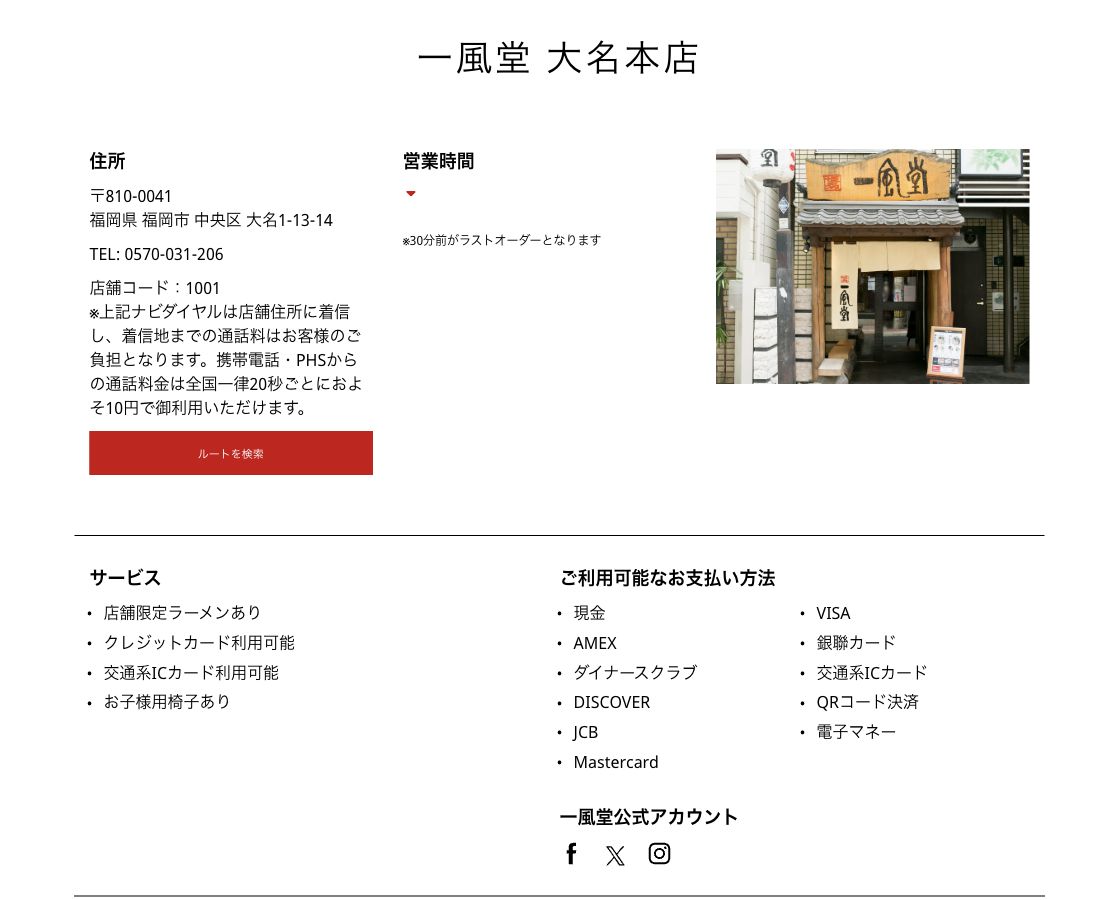
1. Look for a ticket machine or ordering sign
Some shops sell a meal ticket at the entrance, some take the order at your seat, and others use a written form. A ticket machine may accept cash only, so carrying a small amount of yen is useful. Keep large luggage out of narrow aisles and follow staff instructions.
2. Choose noodle firmness
| Japanese | Say | Meaning |
|---|---|---|
| やわ | yawa | soft |
| 普通 | futsū | regular; an easy first choice |
| かた | kata | firm |
| バリカタ | barikata | very firm |
Some menus also show harigane or konaotoshi, but not every shop offers or recommends them. Harder does not mean more expert. Choose a texture you will enjoy.
3. Order kaedama while soup remains
Kaedama is an extra serving of noodles placed into your remaining broth. Order before finishing the soup. Depending on the shop, buy another ticket, pay cash at the seat, or call a staff member.
- “Kaedama kudasai” — One noodle refill, please.
- “Kata de onegaishimasu” — Firm, please.
- Some shops offer a smaller han-kaedama.
If refill sauce is on the table, add only a little at a time; it is concentrated seasoning, not a drink.
4. Garlic, spice and oil vary by shop
Ichiran uses a form for detailed customization, while many shops ask only about firmness. Terms such as beta (more fat) and nashi (without added fat) belong to some Nagahama shops and are not a citywide standard. There is no need to request an option that is not displayed.
Dietary restrictions and allergies
The broth itself is generally made with pork. Noodles, seasoning and toppings may contain wheat, egg, soy, fish or alcohol. Ask the shop before entering if you require halal, vegetarian or strict allergy accommodation.
Common questions
Must I slurp?
No. Slurping is accepted but not required.
Must I finish the soup?
No. Leave enough only if you intend to add noodles.
Can two people share one bowl?
Some shops require one bowl per person. Ask about children and sharing.
What if I do not speak Japanese?
Point to the item and say “Kore o onegaishimasu” (this one, please). Tourist-area branches often provide pictures or multilingual menus.
Choose a shop next
Compare accessible branches in our seven-shop Fukuoka ramen guide, or read the Fukuoka yatai guide for a nighttime meal. The official Fukuoka City food guide also explains ramen culture.