This translation was prepared with AI assistance and reviewed by the editorial team.
Fukuoka accepts the same nationwide transport IC cards used in most major Japanese cities. Visitors do not need a Fukuoka-only card: Suica, PASMO, ICOCA and other compatible cards can normally be tapped on JR Kyushu, the Fukuoka City Subway, Nishitetsu trains and many buses.
Already have a Japanese IC card? Keep using it. Buying in Fukuoka? Choose SUGOCA for JR stations, nimoca for Nishitetsu trains and buses, or Hayakaken for the subway. For a short trip, the place where you buy and refund the card matters more than the logo.
SUGOCA, nimoca and Hayakaken compared
| Card | Main issuer | Easy place to buy | Useful when |
|---|---|---|---|
| SUGOCA | JR Kyushu | JR ticket machines and counters | You mainly use JR trains or arrive at Hakata Station |
| nimoca | Nishitetsu | Nishitetsu train and bus service points | You use Nishitetsu trains and buses often |
| Hayakaken | Fukuoka City Subway | Subway ticket machines | You want to buy immediately after landing at Fukuoka Airport |
All three belong to Japan’s nationwide IC interoperability network. They can also be used for many small purchases where the corresponding IC logo is shown. Coverage is broad, but not universal: some rural buses, highway buses, ferries and special services still require another ticket or cash.
Which card is best for an overseas visitor?
If you land at Fukuoka Airport without a card, Hayakaken is the simplest purchase because the airport subway station is directly connected to the domestic terminal. If you first reach Fukuoka by Shinkansen, SUGOCA is easy to obtain at Hakata Station. nimoca is convenient for travelers whose itinerary includes Nishitetsu Fukuoka (Tenjin), Dazaifu or frequent Nishitetsu bus travel.
There is no need to buy three cards. A single compatible card can pay ordinary fares across the main Fukuoka networks. Tourist day passes may still be cheaper when you make many rides in one day, so compare the pass price with your planned trips.
Using and topping up a card
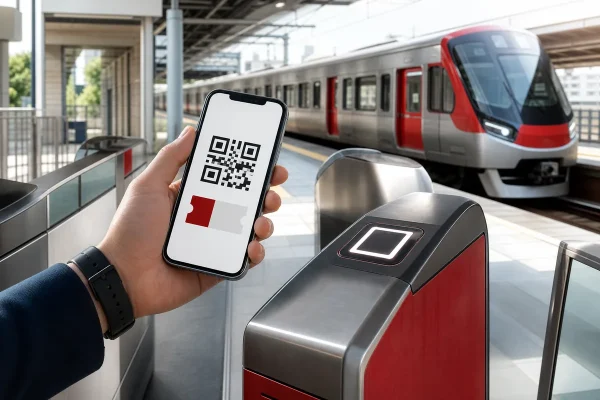
- Tap once at the entry gate and again at the exit gate. On buses, follow the reader and boarding instructions shown.
- Charge the card with Japanese yen at compatible ticket machines or convenience stores. Many machines accept cash only for top-ups.
- One card cannot pay the fare for several adults passing a gate together. Each traveler needs a card or ticket.
- If the balance is insufficient, use a fare-adjustment or charge machine before exiting.
- Keep the card separate from other contactless cards when tapping to prevent a read error.
Mobile IC cards and foreign phones
Apple Pay Suica, PASMO or ICOCA may be convenient if your phone, region and payment card are supported. Availability and top-up success differ by device and overseas bank, so do not rely on mobile setup after arrival without a backup payment method. As of July 2026, JR Kyushu has announced Mobile SUGOCA for spring 2027; it is not yet a current option.
Refunds, deposits and points
Physical cards may include a refundable deposit, but refund rules and handling fees differ. Refund the card through the issuing operator rather than assuming another railway can process it. Points programs are mainly designed for repeat users and may require registration, a specific service or a resident-friendly app. For a short visit, interoperability and easy purchase are usually more useful than points.
Official information
Check current coverage and sales rules on the official SUGOCA, nimoca and Hayakaken pages. If you will travel by bicycle in central Fukuoka, compare the Fukuoka bike-share services.