This translation was prepared with AI assistance and reviewed by the editorial team.
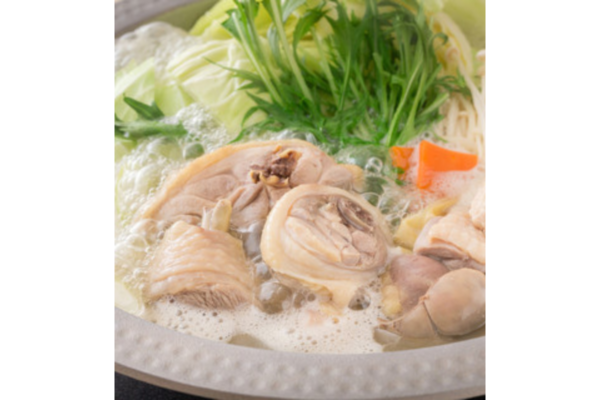
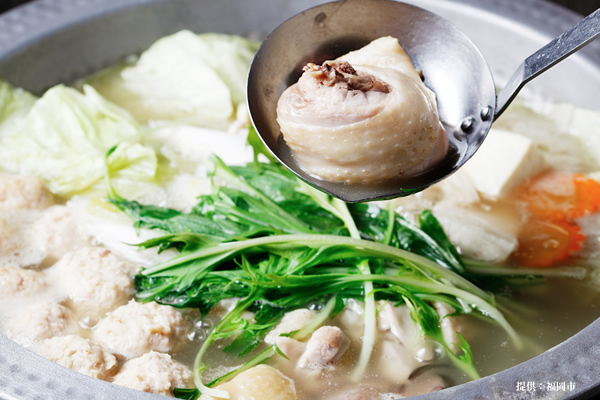
Hakata mizutaki is a Fukuoka chicken hot pot in which the broth is treated as the first course. Diners taste the chicken soup before adding or eating the remaining ingredients, then finish with rice or noodles after the broth has absorbed every flavor.
Although mizu means water, Hakata mizutaki is known for broth made by simmering chicken bones and bone-in meat. Some broths are milky white; others are clear.
Hakata style versus ordinary mizutaki
| Hakata mizutaki | Common home-style mizutaki | |
|---|---|---|
| Broth | Prepared chicken stock, cloudy or clear | Often water or light kombu stock |
| First taste | Drink the broth with salt or scallion | Begin when ingredients are cooked |
| Main protein | Bone-in chicken and chicken meatballs | Chicken pieces vary by household |
| Finish | Rice porridge, noodles or mochi | Rice or udon |
How to eat it at a specialist restaurant
- Taste a small cup of broth, often with salt and green onion.
- Eat the cooked chicken, using ponzu sparingly.
- Add chicken meatballs, cabbage, leek, mushrooms and tofu as directed.
- Use yuzu kosho or grated daikon for a little heat and aroma.
- Finish with zosui rice porridge, udon or champon noodles.
Staff may cook and serve the pot in a set order. Follow their guidance rather than adding everything at once. The broth grows richer as chicken and vegetables cook.
Why is the broth sometimes white?
Long, vigorous simmering emulsifies fat and gelatin from bones, producing a creamy-looking broth. A carefully clarified broth can remain transparent. Cloudy does not automatically mean better or more authentic; both are established restaurant styles.
History and food culture
Mizutaki spread in Hakata during the Meiji era. A frequently told origin story credits Heisaburo Hayashida, who combined ideas from Western consommé and Chinese chicken cooking after studying in Hong Kong and opened a restaurant in 1905. Japan’s Ministry of Agriculture lists young-chicken mizutaki among Fukuoka’s regional dishes.
Dietary and reservation advice
The dish contains chicken and is not vegetarian. Ponzu usually contains soy and wheat; meatballs can include egg, and stock may use other seasonings. Ask the restaurant about allergies. Specialist restaurants often sell courses by number of guests, and well-known dinner rooms may require reservations.
Mizutaki suits diners who prefer a gentler chicken flavor; choose motsunabe for a stronger garlic-and-offal hot pot. Find a venue in our Hakata mizutaki restaurant guide, or try the home recipe. Background sources: Japan’s Ministry of Agriculture and Fukuoka City.