This translation was prepared with AI assistance and reviewed by the editorial team.
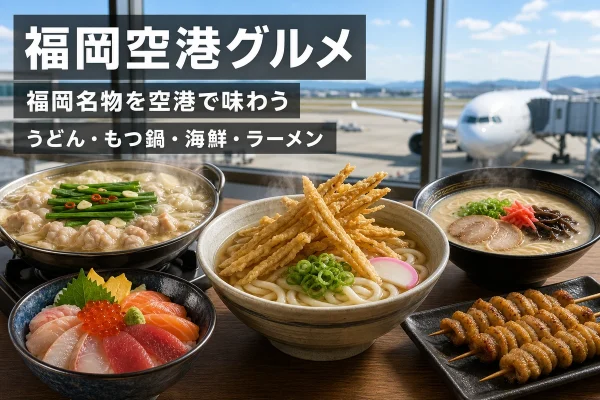
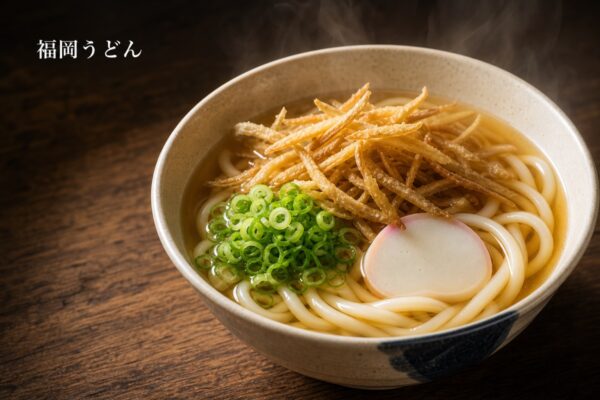
Fukuoka’s noodle culture is not limited to tonkotsu ramen. Hakata udon is known for soft, fluffy noodles, a clear broth made with ingredients such as kelp, dried fish and bonito, and toppings including burdock tempura and round fish cake.
- Traditional soft noodles: Karo no Uron or Miyake Udon.
- Next to Hakata Station: Maki no Udon at Hakata Bus Terminal.
- Convenient in Tenjin: West, Manda Udon or Kamakiri Udon.
- Late night or early morning: 24-hour Sukesan Udon Hakata Chiyo.
- Kurume side trip: Tachibana Udon.
Eight useful Fukuoka udon choices
| Shop | Area | Signature |
|---|---|---|
| Karo no Uron | Hakata Old Town | Historic soft noodles and burdock tempura |
| Miyake Udon | Gofukumachi | Exceptionally soft, thick noodles |
| Maki no Udon | Hakata Station | Broth-absorbing noodles and refill broth kettle |
| West | Tenjin | Clear broth and freshly fried kakiage |
| Sukesan Udon | Hakata Chiyo | Kitakyushu-style broth, meat burdock and botamochi |
| Kamakiri Udon | Daimyo / international terminal | Chewy Itoshima-wheat noodles and seasonal dishes |
| Manda Udon | ONE FUKUOKA BLDG. | Translucent noodles and seasonal tempura |
| Tachibana Udon | Kurume | Meat and burdock tempura udon |
Why are Hakata noodles soft?
Fukuoka’s official tourist guide connects the soft style with the city’s merchant history: pre-boiled noodles could be served quickly to busy customers. Rather than searching for the firm bite of Sanuki udon, enjoy how Hakata noodles absorb the fragrant broth.
Fukuoka City’s official noodle-culture guide
Karo no Uron
Founded in 1882 near Kushida Shrine, this is the classic choice for Hakata Old Town sightseeing. The name preserves a Hakata-dialect pronunciation of “the udon shop on the corner.” Official hours are 11:00–17:00, closing when noodles sell out, with Tuesday normally closed. Photography inside is discouraged.
Miyake Udon
Founded in 1954, Miyake serves noodles even softer and thicker than the usual Hakata style. Choose simple toppings such as fish cake, tempura, egg or seaweed. It is close to Gofukumachi Station.
Maki no Udon
Maki no Udon’s kettle-cooked noodles continue absorbing broth while you eat. A kettle of extra broth lets you adjust the bowl. The Hakata Bus Terminal branch is in B1 next to Hakata Station, and noodle texture can be ordered soft, medium or firm.
West Tenjin
West is a Fukuoka-born chain established in 1966. It offers a slightly firmer texture than old-style Hakata udon and a clean dried-fish broth. The Tenjin branch is convenient for shopping and officially lists service until late evening.
Sukesan Udon Hakata Chiyo
This Kitakyushu-born chain is known for meat-and-burdock udon, a slightly darker sweet-savoury broth and botamochi rice sweets. Hakata Chiyo is listed as open 24 hours, useful after a late arrival.
Sukesan Hakata Chiyo official page
Kamakiri Udon
Kamakiri uses Itoshima wheat for a chewier, contemporary noodle. The Daimyo shop serves seasonal udon, side dishes and sake. A second shop operates in the food court on level 3 of Fukuoka Airport’s international terminal.
Manda Udon
Manda represents the Buzen Urauchikai style, with translucent house-made noodles and seasonal tempura. Its ONE FUKUOKA BLDG. location is easy to combine with Tenjin sightseeing.
Tachibana Udon
This Kurume favourite is known for medium-thick kettle-cooked noodles and meat-burdock udon. It is near Kurume Interchange and works best for a Chikugo-area drive rather than a central Fukuoka walking itinerary.
Ordering tips
- Try burdock tempura or round fish cake for a recognisably local bowl.
- Ordering systems vary between ticket machines, counter service and table service.
- Broth commonly contains fish; ask before ordering if you have allergies or dietary restrictions.
- Opening days, sell-outs and temporary closures change, so check the official page on the day.
For another everyday Fukuoka food culture, see the Fukuoka yakitori guide.
Browse more places in the Fukuoka food guide or compare the Fukuoka ramen guide.