福岡の焼鳥店に信長・家康が多い理由|戦国焼鳥と博多文化
記事内にプロモーションを含む場合があります
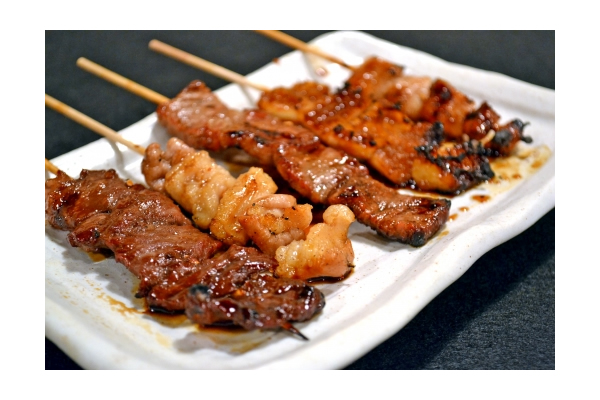
福岡の焼鳥店には、「信長」「家康」「信秀」など、戦国武将を思わせる名前の店が目立ちます。旅行や出張で福岡に来た人だけでなく、地元で飲み歩く人でも一度は気になる名前です。
先に答えると、福岡に戦国武将名の焼鳥店が多く見える理由は、昭和期から続く「戦国焼鳥」と呼ばれる店の存在感が大きいからです。信長、家康、信秀といった屋号の老舗・系列店が広がり、福岡の焼鳥文化の中で強い印象を残しました。
この記事では、2026年7月8日時点で確認できる公開情報をもとに、戦国焼鳥の由来、福岡の焼鳥・焼き鳥が鶏だけではない理由、豚バラ、酢だれキャベツ、とりかわ、久留米焼きとりとの違いをまとめます。
先に結論
- 福岡に戦国武将名の焼鳥店が多く見えるのは、昭和30年代以降に広がった信長・家康・信秀系の店の存在感が大きいためです。
- 「戦国焼鳥」は、福岡の焼鳥店全体の総称ではなく、信長・家康など武将名を冠した店を指して語られることが多い呼び方です。
- 福岡の焼鳥文化は、鶏肉だけでなく豚バラ、牛サガリ、豚足、魚介、野菜串まで幅広いのが特徴です。
- 酢だれキャベツは、信秀本店が広めたとされる博多焼鳥の定番です。
- ぐるぐる巻きの博多とりかわは、権兵衛館が発祥とされ、戦国焼鳥とは別軸で広がった名物です。
- 久留米焼きとりは、福岡市中心部の博多焼鳥とは違い、豚・牛・馬・内臓系まで串にするご当地文化として知られます。
福岡に戦国武将名の焼鳥店が多い理由
福岡で「信長」「家康」「信秀」という店名の焼鳥店が目立つのは、福岡の焼鳥文化そのものが戦国武将と関係しているからではありません。実際には、昭和期に生まれた武将名の焼鳥店が長く営業し、系列店や近い文脈の店が増えたことで、街の中で目に入りやすくなったと考えるのが自然です。
公開情報では、信長、家康、信秀などの戦国武将系の焼鳥店は、兄弟・関係者の店として語られることがあります。ただし、開業年や細かな系列関係は資料によって説明に差があります。ここでは、共通して確認できる「昭和30年代から40年代にかけて、武将名の焼鳥店が福岡で存在感を強めた」という点を押さえておきます。
戦国焼鳥家康の公式情報では、家康は六十年以上の歴史を持つ焼鳥店として案内されています。2026年7月8日時点では、赤坂、呉服、天神北、博多駅前、祇園、住吉通、渡辺通などの店舗名が確認できます。天神店は改装工事のため休業中と表示されています。
信長・家康・信秀の名前が残した印象
戦国焼鳥という呼び方で印象に残りやすいのは、店名がとても強いからです。焼鳥店の名前として「信長」「家康」と出てくれば、初めて見る人でも一度で覚えます。そこに「信秀本店」まで加わるため、福岡の焼鳥店は戦国武将名が多い、という印象につながります。
UMAGAの記事では、天下の焼鳥 信秀本店について、前身は昭和39年(1964年)に川端で創業した屋台「信長」と紹介されています。また、信秀という屋号には、信長の父である織田信秀にかけて「信長より大きな存在になりたい」という創業者の思いが込められているとされています。
一方で、福岡の焼鳥文化を語る記事では、武将名の店が兄弟経営から広がったという説明も見られます。細部の伝わり方には違いがありますが、福岡の焼鳥店で武将名が目立つ背景に、昭和期の屋台・焼鳥店の広がりがある点は押さえてよいでしょう。
福岡の焼鳥は「鶏だけ」ではない
福岡で焼鳥店に入ると、鶏肉の串だけでなく、豚バラ、牛サガリ、豚足、げそ、ししゃも、野菜串などが普通に並びます。関東の感覚だと串焼き店に近い内容ですが、福岡ではまとめて焼鳥店のメニューとして親しまれています。
福岡市内には焼鳥店が500軒を超えると紹介されることもあり、ラーメン、もつ鍋、水炊きと並んで、福岡らしい日常の外食文化のひとつです。観光向けの名物というより、仕事帰りや友人同士の食事で使われる普段着のグルメでもあります。
| 福岡焼鳥の特徴 | 内容 | 見るポイント |
|---|---|---|
| 豚バラ | 福岡の焼鳥店では定番級の串 | 塩で脂の甘みを楽しむ店が多い |
| 酢だれキャベツ | 最初に大皿で出てくることが多い | 串の合間の口直しとして使いやすい |
| とりかわ | ぐるぐる巻きで何度も焼く博多名物 | 店ごとにタレ、焼き加減、食感が違う |
| 四つ身 | 鶏もも肉などを使う基本の焼鳥 | 鶏の焼き加減や店の味が出やすい |
| 内臓系 | レバー、砂ずり、ハツ、ダルムなど | 福岡・久留米では選択肢が広い |
豚バラと酢だれキャベツは福岡焼鳥の入口
福岡の焼鳥店でまず驚くのが、焼鳥なのに豚バラを頼む人が多いことです。豚バラは脂の甘みがあり、塩で焼いた串をキャベツと一緒に食べると、さっぱりして次の串に進みやすくなります。
もうひとつの定番が、酢だれキャベツです。博多の焼鳥店では、注文した串が出てくる前に、ざく切りのキャベツが皿で出てくることがあります。キャベツに酢醤油系のたれをかけ、焼き上がった串をその上に置く店もあります。
この酢だれキャベツは、信秀本店が広めたとされます。RKBの取材記事では、信秀本店の安岡英雄さんが、大阪の鉄板焼き店で見たキャベツをヒントに、焼鳥に合うあっさりしたポン酢ダレを考えたと紹介されています。
博多とりかわは戦国焼鳥とは別の名物
福岡の焼鳥を語るとき、博多とりかわも外せません。串に皮をぐるぐる巻き、焼いて寝かせて、また焼く。手間をかけて脂を落とし、外はカリッと、中は旨みを残すのが特徴です。
ぐるぐる巻きのとりかわは、福岡市城南区友泉亭で1968年に創業した権兵衛館が発祥とされています。首皮を串に巻き、素焼き、タレ焼き、寝かせ、再度焼くという工程が広がり、かわ屋、粋恭、博多とりかわ大臣など、博多とりかわを看板にする店が増えました。
戦国焼鳥は店名の印象が強い文化、とりかわは調理法と食感で広がった名物です。どちらも福岡焼鳥を語るうえで重要ですが、由来は分けて考えると理解しやすくなります。
久留米焼きとりとの違い
福岡県内で焼鳥文化が濃いエリアとして、久留米もよく知られています。久留米焼きとりは、鶏だけでなく豚、牛、馬、内臓系まで串にする食文化です。久留米では、鶏ももを指す「四つ身」や、豚の白モツを指す「ダルム」といった呼び方もなじみがあります。
福岡市中心部の博多焼鳥は、戦国焼鳥、豚バラ、酢だれキャベツ、とりかわの印象が強い一方、久留米焼きとりは、医大の街、畜産・食肉文化、屋台・大衆酒場の流れと結びつけて語られることが多いです。
| 比較 | 福岡市・博多周辺 | 久留米 |
|---|---|---|
| 印象に残る特徴 | 戦国焼鳥、酢だれキャベツ、豚バラ、とりかわ | 鶏・豚・牛・馬・内臓系まで幅広い串文化 |
| よく見る言葉 | 信長、家康、信秀、博多とりかわ | 四つ身、ダルム、久留米焼きとり |
| 楽しみ方 | 街なかで気軽に数本ずつ、キャベツを挟みながら | 部位名を見ながら、肉や内臓の種類を広く楽しむ |
福岡で焼鳥を食べるときの見方
初めて福岡で焼鳥店に入るなら、店名の由来だけでなく、メニューの幅を見ると楽しくなります。豚バラ、とりかわ、四つ身、牛サガリ、砂ずり、野菜串がそろっていると、福岡らしい焼鳥の雰囲気を感じやすいです。
戦国焼鳥系の店では、名前のインパクトだけでなく、長く続く大衆焼鳥店としての使いやすさも見たいところです。観光客向けの特別な店というより、地元の人がふつうに使う焼鳥店として見たほうが、福岡の食文化に近づけます。
一方で、ぐるぐるとりかわを目当てにするなら、とりかわ専門色の強い店を選ぶと満足しやすくなります。戦国焼鳥、豚バラ中心の大衆焼鳥、とりかわ専門店、久留米焼きとりは、それぞれ楽しみ方が少し違います。
関連して読みたい福岡グルメ
よくある質問
福岡の焼鳥店に戦国武将名が多いのはなぜですか?
信長、家康、信秀など、昭和期から続く武将名の焼鳥店が福岡で存在感を持ったためです。戦国焼鳥という呼び方で語られることもあります。
戦国焼鳥とは何ですか?
信長、家康、信秀など、戦国武将を思わせる屋号の焼鳥店を指して使われることが多い言葉です。福岡の焼鳥店全体を指す言葉ではありません。
福岡の焼鳥でまず食べたい串は?
豚バラ、四つ身、とりかわ、砂ずり、牛サガリあたりが入りやすいです。店によっては豚足や魚介串も楽しめます。
酢だれキャベツは何のためにありますか?
串の合間に食べる口直しとして使いやすく、焼鳥の脂をさっぱり受け止めます。福岡・博多の焼鳥店らしい定番です。
まとめ
福岡の焼鳥店に信長・家康などの戦国武将名が多く見えるのは、昭和期から続く戦国焼鳥系の店が、街の焼鳥文化の中で強い存在感を持ってきたためです。
ただし、福岡焼鳥の面白さは店名だけではありません。豚バラ、酢だれキャベツ、とりかわ、鶏以外の串、久留米焼きとりまで含めると、福岡の焼鳥はかなり奥行きのある食文化です。
福岡で焼鳥を食べるなら、店名の由来を思い出しながら、豚バラ、四つ身、酢だれキャベツ、とりかわを比べてみると、街の焼鳥店が少し違って見えてきます。
福岡の今日のイベントを探す
2026/10/21 の福岡イベント
今日開催中のイベントです。明日以降、週末、ジャンル別の予定はイベントカレンダーで探せます。
- 第13回「晴酒はしご」2026|春吉・西中洲など57店で10月17日から開催10/17 ~ 10/24 (福岡市、中央区)
- Stray Kids×ららぽーと福岡2026|10/16〜25コラボ&POPUP開催10/16 ~ 10/25 (ららぽーと福岡、福岡市、博多区)
- 「ほっぺちゃん POP UP SHOP」ららぽーと福岡で10/2開幕|平成女児必見の限定グッズも10/2 ~ 10/25 (ららぽーと福岡、福岡市、博多区)
- 『最終楽章 響け!ユーフォニアム』×福岡タワー|10月17日からメモリアル全国タワーツアー開催10/17 ~ 10/25 (福岡市、早良区、福岡タワー)
- ひかりの鴻臚館まつり2026|10月17日〜25日、舞鶴公園で光の祭典【レビューあり】10/17 ~ 10/25 (福岡市、中央区、舞鶴公園)
- 博多阪急で「第58回 戸塚刺しゅう展」10月21日~25日開催!クリスマスオーナメント作りの体験講習会も10/21 ~ 10/25 (福岡市、博多区、博多阪急)
- 福岡オクトーバーフェスト2026|10月16日〜25日、冷泉公園でドイツビール52種10/16 ~ 10/25 (福岡市、博多区)
- 博多阪急「北欧フェア2026」10月21日~26日開催!北欧グルメ・雑貨・体験イベントが集結10/21 ~ 10/26 (福岡市、博多区、博多阪急)
- 岩田屋定番コレクション2026秋|開催日・注目商品とキャビエルサンド10/21 ~ 10/26 (福岡市、中央区、岩田屋)
- 大丸福岡天神店「石川フェア」10月21日~27日開催!金沢の銘菓・加賀棒ほうじ茶が集結10/21 ~ 10/27 (福岡市、中央区、大丸)
- 「ちいかわ POP UP STORE」が福岡三越で10月16日開幕!ちいかわ寿司も同時開催10/16 ~ 11/3 (福岡市、中央区、福岡三越)
- 新天町デジタル商品券2026攻略|市外も購入可!20%お得・買い方と11月30日の注意点6/15 ~ 11/30 (新天町、中央区)
投稿者のプロフィール

最新の投稿
-

-
2026.08.10.
グルメコラム 二日間1万円で福岡グルメは可能?2018年の食べ歩きを2026年に再検証 -
-
2026.08.03.
体験型イベント 福岡の貸し農園・市民農園・体験農園|料金・初心者向けを比較 -
-
2026.08.03.
福岡ってどんな街?福岡の県民性を教えて! 福岡の県民性と性格、相性 あるある福岡県人 -
-
2026.08.03.
福岡ってどんな街?福岡の県民性を教えて! 北九州あるある、意外と知らない北九州市と福岡市の関係



関連記事
-
-
2026年5月26日
グルメ 博多もつ鍋とは?歴史・食べ方・文化をわかりやすく解説 -
-
2026年5月26日
グルメ 博多水炊きとは?普通の水炊きとの違い・歴史・食べ方を解説 -
-
2026年5月24日
グルメ 博多辛子明太子の歴史|発祥・名前の由来・福岡名物になった理由 -
-
2026年5月24日
グルメ 博多一口餃子とは?発祥・歴史・食べ方と福岡で味わうおすすめ店