This translation was prepared with AI assistance and reviewed by the editorial team.
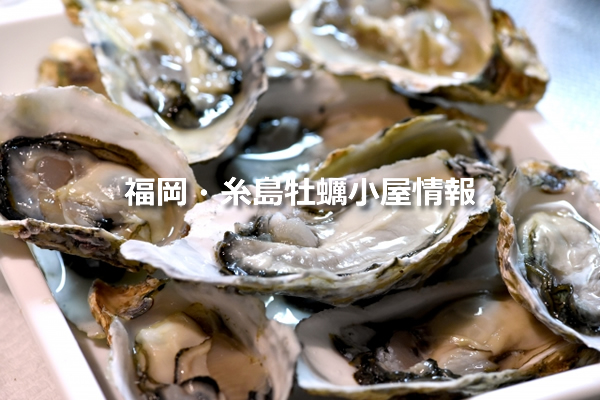
Itoshima’s winter oyster huts let visitors grill local oysters and seafood beside working fishing ports. The huts are spread across several harbours, and each operator sets its own dates, booking system, table charge, menu and rules on outside food.
When is oyster-hut season?
Many huts operate from autumn into the following spring, but they do not all open or close together. Weather, harvest conditions and maintenance can alter the calendar. Last season began in stages from October 2025 and ended in spring 2026.
Review the tourism association’s previous-season guide
Check the fisheries cooperative for the next announcement
Five main port areas
| Port | Planning note |
|---|---|
| Fukuyoshi | Some huts are walkable from JR Fukuyoshi Station, useful without a car |
| Fukae | Use JR Chikuzen-Fukae as a starting point and check the final route |
| Kafuri | Compare station, taxi and shop shuttle options |
| Funakoshi | Several huts are grouped by the harbour; car or taxi planning is common |
| Kishi | One of the largest clusters and busy on winter weekends |
Oyster sales were also announced at Nohoku last season, but the format may differ from a sit-down hut. Wait for the new official list before adding it to your itinerary.
How to choose a hut
Compare reservations, grill or charcoal fees, table time, seafood beyond oysters, cashless payment and shuttle service. Examples with their own information channels include Shoei at Fukuyoshi, Fujimaru at Funakoshi and Sumiyoshimaru at Kafuri.
Outside food is not universally allowed
Some huts allow drinks, rice balls or seasonings, while others restrict alcohol, meat, raw food or all outside items. This is not one shared Itoshima rule. Ask the exact hut before bringing anything, and never place unapproved food on the grill.
What to wear and bring
- Washable outerwear that can absorb smoke and sea smells
- Close-fitting sleeves that stay away from the flame
- A hair tie and wet wipes
- Some cash in case the hut does not accept your card
- The gloves, tongs and oyster knife provided by the operator
Some huts lend bright protective jackets, but this is not guaranteed. Avoid delicate coats and loose synthetic clothing around sparks.
Cook oysters safely
Shells can pop and release hot liquid. Keep your face back, use the supplied tools and follow the hut’s instructions for turning and cooking. Oysters should be heated through. Travellers who are pregnant, immunocompromised or unwell should follow medical advice and avoid raw or undercooked shellfish.
Getting there without a car
JR Chikuhi Line stations such as Fukuyoshi, Chikuzen-Fukae, Kafuri and Chikuzen-Maebaru are useful gateways. For a hut beyond walking distance, reserve a shuttle or taxi in advance. Taxis may not wait at small ports, especially after lunch.
Do not drive after drinking. Choose a rail-accessible hut or confirmed shuttle, and allow extra travel time on winter weekends.